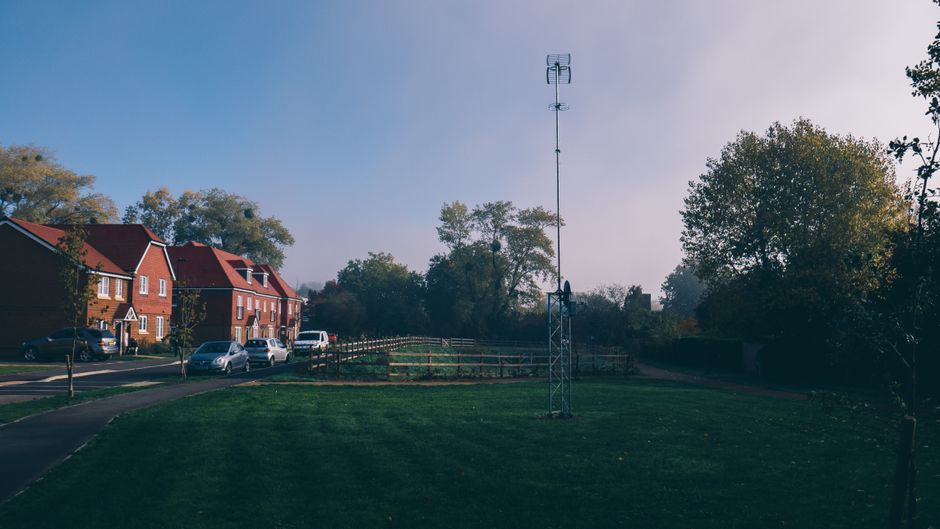
Broadwater Farm Estate Gardeners for Communal Green Spaces
Shared green spaces do a lot more than "look nice". Around an estate, they help people feel safer, make daily life calmer, and give the whole place a sense of care. That is exactly why Broadwater Farm estate gardeners for communal green spaces matter so much. When planting beds are tidy, grass is managed properly, hedges are shaped, and pathways stay clear, the estate feels more welcoming straight away. Not perfect, just cared for. And honestly, that difference is easy to notice on a damp London morning when the grass is wet, the bins are out, and people are heading to work.
This guide explains how communal garden maintenance typically works, what good practice looks like, which services are most useful, and how to avoid the common mistakes that can turn shared outdoor areas into a headache. It also covers practical selection tips, safety, compliance, and a simple checklist you can use when planning ongoing maintenance. If you are responsible for a communal landscape, or you just want the estate looking its best without creating extra work for residents, this will help.
For an overview of the wider service range, you may also find the services overview useful. And if you want to understand the maintenance side in more detail, the garden maintenance service page gives a good sense of what regular upkeep can include.
Table of Contents
- Why it matters
- How it works
- Key benefits and practical advantages
- Who this is for and when it makes sense
- Step-by-step guidance
- Expert tips for better results
- Common mistakes to avoid
- Tools, resources and recommendations
- Law, compliance, standards, or best practice
- Options, methods, or comparison table
- Case study or real-world example
- Practical checklist
- Conclusion
- Frequently asked questions
Why Broadwater Farm estate gardeners for communal green spaces Matters
Communal green spaces are shared assets. They are not just decorative extras squeezed between blocks. On a busy estate, they influence how residents move, meet, relax, and even judge whether the place feels well managed. That is why professional estate gardening has a different job to do than standard domestic gardening. The aim is consistency, safety, and resilience, not just a neat finish on the day.
At Broadwater Farm, the context matters too. Shared areas can see frequent foot traffic, changing use patterns, and the usual London mix of weather: wet weeks, sudden dry spells, windblown litter, and the odd patch of compacted soil where everyone takes the same shortcut. A good gardener notices those patterns. They spot the hedge that is starting to encroach on a path, the grass strip that is thinning out, or the planting bed that needs a slightly tougher scheme because it is always exposed.
When this work is done well, the whole estate benefits. The green spaces support everyday life rather than becoming something residents walk around and ignore. That sounds small. It is not small. Not really.
Expert summary: the best communal garden care is planned, repeatable, and responsive. It protects the appearance of the estate while also keeping pathways clear, planting healthy, and maintenance costs under control over time.
How Broadwater Farm estate gardeners for communal green spaces Works
In practice, communal garden maintenance usually starts with a site walk. The gardener or maintenance team looks at the whole area: lawns, borders, hedges, access routes, bins, seating areas, and any neglected corners where weeds or litter tend to gather. From there, they build a routine that matches the site rather than forcing a one-size-fits-all schedule onto it.
A typical programme may include regular mowing, edging, hedge trimming, pruning, clearance of fallen debris, weed control, seasonal planting care, and disposal of green waste. In some estates, it may also include light landscaping, repairing tired planting beds, or improving visual boundaries with shrubs and structure. For more substantial outdoor improvements, the landscape gardening service and landscaping support can help shape the space rather than simply maintain it.
The key is rhythm. Shared spaces need reliable visits, not occasional rescue jobs. Grass left too long becomes harder to manage. Shrubs left untrimmed start blocking light and walkways. Leaf build-up becomes slippery and untidy. It all stacks up. A maintenance plan prevents that domino effect.
Some estates also need clearance work first, especially if the communal area has been neglected for a while or if a seasonal clean-up is overdue. In those cases, a dedicated garden clearance can reset the space before ongoing maintenance begins.
Key Benefits and Practical Advantages
There are obvious benefits, like better kerb appeal. But the practical advantages go much wider than appearance.
- Safer movement through the estate: tidy edges, trimmed hedges, and clear paths reduce trip hazards and awkward bottlenecks.
- Better resident experience: people tend to treat spaces better when they feel looked after.
- Healthier planting: regular care prevents overcrowding, shading, and the kind of decay that can creep in unnoticed.
- More predictable costs: routine maintenance is usually easier to plan for than repeated emergency tidy-ups.
- Fewer complaints: shared spaces can trigger all sorts of small frustrations. A well-managed garden lowers that background noise.
- Stronger first impression: visitors, delivery drivers, contractors, and prospective residents all notice the outside areas first.
There is also a less obvious benefit: calm. A well-kept green space softens the whole mood of a place. Birds in the hedges, a clean lawn edge, a few healthy shrubs moving in the breeze-these details matter more than people sometimes admit.
If your estate has planting schemes that need regular shaping, the hedge trimming service and lawn mowing service are especially relevant to ongoing communal care.
Who This Is For and When It Makes Sense
This type of service is relevant to housing associations, resident management groups, estate managers, block managers, landlords, and anyone responsible for shared outdoor areas. It also makes sense where green space is being used by multiple households, so one person's preference cannot shape the whole site. That is often the reality, isn't it?
You may need professional support if:
- the communal lawn is becoming patchy or uneven
- hedges are affecting sightlines, light, or access
- resident complaints are becoming more frequent
- you have been relying on ad hoc tidy-ups rather than a schedule
- the space includes overgrown corners or repeated litter traps
- you need a more structured approach to green waste and seasonal work
Sometimes the trigger is not a major problem, just the sense that the estate no longer feels settled. You know the feeling: the same path looks scruffier every week, and the jobs everyone keeps "meaning to sort" are starting to pile up. That is usually the point where a proper maintenance plan pays for itself in time saved and stress avoided.
Step-by-Step Guidance
If you are planning communal garden support for Broadwater Farm or a similar estate, a clear process helps keep things on track.
- Assess the site properly. Walk the whole area at a realistic time of day. Look at footfall, shade, drainage, and where rubbish or weeds collect.
- Set priorities. Decide what needs weekly, fortnightly, or seasonal attention. Not every area needs the same level of care.
- Identify risks. Check for blocked sightlines, low branches, slippery surfaces, and any access issues for residents or maintenance staff.
- Choose the right mix of services. Many communal spaces need a blend of lawn care, hedge trimming, light pruning, and clearance.
- Agree on a schedule. The best results come from consistent visits rather than reactive fixes.
- Plan for seasonal shifts. Spring growth, summer dry spells, autumn leaf fall, and winter debris all need different handling.
- Review regularly. Communal spaces change. A good plan should adapt, not stay frozen for twelve months and hope for the best.
That last point is worth underlining. Gardens breathe, in a manner of speaking. They do not sit still for your spreadsheet.
Expert Tips for Better Results
In our experience, the nicest-looking estates are rarely the ones with the fanciest planting. They are the ones with tidy routine work and a clear sense of proportion. A few practical tips make a real difference.
- Keep paths and edges crisp. Even a simple lawn looks more cared for when borders are clean.
- Do not overplant busy areas. Heavy planting can look lush at first, then turn into maintenance trouble.
- Use robust species where traffic is high. Shared spaces need plants that can cope with a bit of life happening around them.
- Schedule hedge work before it becomes urgent. Once hedges have flared out, they take more time and are harder to shape neatly.
- Think about sightlines. Residents feel safer when entrances, pathways, and corners are visible.
- Build in waste removal. Green waste that sits around creates a poor impression very quickly. It is one of those tiny things people notice immediately.
If you want the communal space to stay tidy between visits, it also helps to keep maintenance and larger clean-up work separate. A regular maintenance visit should not be doing the job of a one-off clear-out every single time. That tends to become expensive and messy. A bit like trying to mop the floor before fixing the leak.
Common Mistakes to Avoid
Communal garden care often goes wrong in the same handful of ways.
- Leaving everything until it looks bad. Reactive maintenance costs more time and usually more money too.
- Ignoring access routes. A pretty flowerbed is not much help if it narrows a walkway.
- Using the same plan all year. Seasonal growth changes everything.
- Letting one area dominate the schedule. The front entrance may get attention, while quieter corners are left to become scruffy.
- Forgetting residents' routines. Bin days, school runs, deliveries, and commuter traffic all affect when work should happen.
- Overcomplicating the planting scheme. If the estate cannot support a high-maintenance display, simplicity is often the smarter call.
Another common mistake is assuming that a single tidy visit has fixed the issue. It usually has not. A communal space can look fine for a day or two and then slide back if the root causes remain. That is just how shared areas behave.
Tools, Resources and Recommendations
Good communal garden work depends on the right equipment and a sensible approach. The exact toolkit varies by site, but the basics usually include commercial mowers, edging tools, hedge cutters, pruning tools, leaf management equipment, waste containers, and seasonal planting supplies. Where needed, more specialist work may involve tree care or branch reduction, especially if overhanging growth is affecting the wider estate. For that, the tree lopping and removal service can be relevant, though tree work should always be assessed carefully and only where appropriate.
From a planning point of view, a simple site map helps more than people expect. Mark the main lawns, problem corners, access paths, and any areas that need different treatment. A basic visual record is also useful, especially if the estate committee or management team changes over time.
It can be helpful to keep maintenance notes about:
- the last mowing or hedge cut
- seasonal issues such as leaf fall or dry patches
- residents' recurring concerns
- areas that need extra attention after storms or heavy use
- materials or planting choices that have not worked well
Where sustainability matters, it is worth looking at waste handling and greener maintenance habits. The recycling and sustainability information can support a more responsible approach to green waste and materials.
Law, Compliance, Standards, or Best Practice
For shared estates, good maintenance is not only about looks. It is also about reasonable care, safe access, and sensible site management. The exact legal or contractual duties can vary depending on ownership structure, management arrangements, and the type of shared land involved, so it is wise to be cautious and keep records rather than making assumptions.
In practical terms, best practice usually means:
- keeping paths, steps, and entrances free from avoidable obstruction
- reducing overgrowth that affects visibility or access
- managing waste responsibly and promptly
- using appropriate tools and safe working methods
- documenting visits, issues, and completed work
Health and safety should be taken seriously, especially where residents may be nearby while work is taking place. A contractor should have clear procedures for safe tool use, site checks, and public protection. You can see the sort of approach that should be expected in a health and safety policy and an insurance and safety overview.
If you are comparing providers, it is also sensible to check how they handle service terms, payments, complaints, and expectations. Those details may feel boring at first, but they matter once a dispute or scheduling issue comes up. The pages on terms and conditions, payment and security, and complaints procedure help set that picture out more clearly.
Accessibility should also be part of the conversation. Shared green spaces should not become harder to use because of poor layout or unmanaged growth. If you want to understand how a site handles user access and inclusive design, the accessibility statement is worth reviewing.
Options, Methods, or Comparison Table
Not every communal green space needs the same kind of care. Some estates need steady maintenance. Others need a reset first. Others benefit from light redesign to make the space easier to manage. Here is a simple comparison.
| Approach | Best for | Typical strengths | Possible drawbacks |
|---|---|---|---|
| Routine maintenance | Established communal gardens that are already in decent shape | Consistent appearance, lower risk of overgrowth, predictable upkeep | May not solve deeper layout or planting issues |
| Clearance first, then maintenance | Neglected or seasonal overgrowth, messy corners, heavy leaf build-up | Fast visual reset, easier to restart a schedule | Needs follow-up or the space can slide back quickly |
| Light landscaping | Spaces that need better structure, boundaries, or planting balance | Improves long-term manageability and appearance | Usually needs a bigger upfront conversation and planning |
| Targeted specialist work | Specific issues such as hedge control, grass recovery, or tree-related concerns | Focused solution for a particular problem | Works best as part of a wider plan, not on its own |
If you are unsure which route to take, start with the least dramatic option that still solves the problem. That is often the smart move. You do not need to redesign the entire estate because one area looks tired. Sometimes you just need the right maintenance rhythm and a little patience.
Case Study or Real-World Example
Picture a communal lawn and planting strip outside a row of residential blocks. It is not disastrous, but it has become a bit messy. The grass is uneven, the hedge line is pushing into the walkway, and one corner has turned into a magnet for litter and fallen leaves. Nothing dramatic. Just enough to make the place feel less cared for.
A sensible approach would begin with clearance and a thorough tidy-up. The team would remove debris, reset the edges, and cut back anything that has grown into paths or sightlines. After that, routine maintenance would take over: regular mowing, hedge shaping, and lighter seasonal work. A few tougher plants might be replaced with hardier options better suited to a busy communal setting.
The useful part is not that the space becomes "perfect". It becomes manageable. Residents can see that someone is looking after it, and maintenance staff are no longer playing catch-up every few weeks. Truth be told, that is usually what success looks like on estates like this. Steady improvement, not dramatic transformation.
For a site in that condition, a combination of garden clearance, lawn mowing, and hedge trimming would be a practical place to start.
Practical Checklist
Use this checklist before agreeing a maintenance plan for communal green spaces:
- Have you walked the whole site, including hidden corners?
- Are footpaths, entrances, and sightlines clear?
- Do you know which areas need weekly, fortnightly, or seasonal attention?
- Is the current planting realistic for the level of use the estate gets?
- Have you allowed for waste removal and disposal?
- Are there any obvious safety concerns near residents or visitors?
- Do you know who signs off the work and who raises issues if something changes?
- Have you thought about how the space will look in winter as well as summer?
- Is there a plan for heavier jobs such as clearance, pruning, or landscaping?
- Have you checked service terms, pricing, and complaint handling?
If you can tick most of those boxes, you are already ahead of the game.
Conclusion
Broadwater Farm estate gardeners for communal green spaces are not just there to cut grass and trim hedges. Their role is to keep shared outdoor areas usable, safe, and pleasant to live around. The strongest results usually come from a simple pattern: assess honestly, maintain consistently, and adjust the plan as the estate changes through the seasons.
That is the real secret, if there is one. Not flashy planting. Not a one-off tidy-up. Just dependable care, done well, and done often enough to matter.
Get a free quote today and see how much you can save.
And if you are still weighing up the best next step, start small, ask clear questions, and look for a team that understands communal spaces rather than treating them like a bigger private garden. A good estate garden should feel like part of the neighbourhood, not an afterthought. When it works, you feel it straight away.
Frequently Asked Questions
What do Broadwater Farm estate gardeners for communal green spaces actually do?
They handle the routine care and practical improvement of shared outdoor areas. That usually includes mowing, hedge trimming, pruning, clearance, edging, and keeping communal spaces tidy, safe, and usable for residents.
How often should communal green spaces be maintained?
It depends on the site, the season, and how much foot traffic the area gets. Many estates need regular visits rather than occasional large jobs, because growth and litter build up quickly when spaces are shared.
Do communal gardens need different care from private gardens?
Yes, they usually do. Communal spaces need more attention to access, safety, consistency, and resident use. The job is not just to make things look neat; it is to keep the whole area practical for many people at once.
What is the best first step if a communal green space has been neglected?
Start with a proper clearance and site assessment. Once the space has been reset, a maintenance schedule is much easier to keep under control. Otherwise, you are just trimming around the mess.
Can a gardener help improve a tired communal area without major building work?
Often, yes. Light landscaping, replanting, and better maintenance planning can make a surprisingly large difference. Sometimes a few smart changes are enough to transform how the space feels.
How do I know if we need hedge trimming, lawn mowing, or full garden clearance?
If the space is broadly tidy but overgrown in specific places, targeted services may be enough. If the area has become cluttered, blocked, or badly neglected, clearance first is usually the better move before regular care starts again.
What should I look for in a gardener for an estate setting?
Look for experience with shared spaces, clear communication, safe working practices, and a practical maintenance approach. Good estate gardeners should understand that residents, access routes, and timing all matter.
Is sustainability important for communal garden maintenance?
Yes, it can be. Responsible green waste handling, sensible planting choices, and durable materials all help reduce waste and make the site easier to manage over time.
How can we reduce complaints about communal green spaces?
Consistency helps most. When mowing, trimming, and tidy-up work happen regularly, residents are far less likely to feel the space is being neglected. Clear communication about schedules also helps, even if nobody gets excited about it.
Do communal green spaces need special attention in winter?
Absolutely. Autumn leaf fall, wet ground, and reduced daylight all change how the space behaves. Winter maintenance usually focuses on safety, debris removal, drainage awareness, and keeping access clear.
Can landscaping help if the current layout is awkward?
Yes. If paths, borders, or planting arrangements are making maintenance harder than it should be, small landscaping changes can improve both appearance and day-to-day practicality.
How do I choose between maintenance and landscaping?
If the space is already suitable but just needs ongoing care, maintenance is the right fit. If the layout or planting is working against you, landscaping may be needed to make future maintenance simpler and more effective.